CM-01. Theoretical Referential Framework

The Theoretical Referential Framework is the systematic organisation of scientific knowledge that makes it possible to study the research problem and object, orient methodological decisions and ground the scientific result.
TEXTUM COLLECTION
Thinking Methodologically About Scientific Research
MC-01. The Theoretical Reference Framework
Author: Vilma María Pérez Viñas
TEXTUM. Academic Mentoring
Version 1.0 — August 2026
Methodological Category Profile
Code: MC-01
Methodological Category: Theoretical Reference Framework
Definition: The Theoretical Reference Framework constitutes the systematic organization of scientific knowledge required to understand the research problem, support methodological decisions, and provide a theoretical foundation for the Scientific Outcome. Its structure responds to the methodological function performed by its components.
Purpose: To explain the methodological function of the Theoretical Reference Framework and the relationships among its components in order to strengthen coherence throughout the research process.
Guiding Question: How should scientific knowledge be organized to understand the research problem and coherently support methodological decisions?
Related: PT-01. The Scientific Problem Guides the Entire Research Process. HT-02. Diagnosing the Methodological Coherence of the Theoretical Reference Framework.
MC-01. The Theoretical Reference Framework
The Theoretical Reference Framework constitutes the systematic organization of scientific knowledge required to understand the research problem, construct the categories through which it will be analyzed, support methodological decisions, and provide a theoretical foundation for the Scientific Outcome or proposed solution.
Its function goes beyond the preparation of a chapter within a research report because it accompanies the research process as a whole.
From the TEXTUM Perspective, the quality of a Theoretical Reference Framework does not depend on the amount of information it contains or on the formal structure it adopts. It depends on how coherently scientific knowledge is organized to explain the research problem, support the research process, and ground the Scientific Outcome.
What Do We Mean by the Theoretical Reference Framework?
The Theoretical Reference Framework is an essential methodological category of scientific research. Its purpose is to organize the scientific knowledge required to understand the research problem and research object and to provide the conceptual foundation for the decisions adopted throughout the research process.
From this perspective, the Theoretical Reference Framework should not be understood as a compilation of background information, an extensive literature review, or a formal requirement within the structure of a thesis or scientific article.
From the TEXTUM Perspective, the Theoretical Reference Framework is therefore conceived as a conceptual architecture in which each component performs a differentiated methodological function while remaining articulated with the Scientific Problem, methodological decisions, and Scientific Outcome.
Methodological Function of the Theoretical Reference Framework
The value of the Theoretical Reference Framework does not lie in the amount of information it contains or in the breadth of the literature review it presents. Its significance lies in the methodological function it performs within the research system.
Its methodological function can be synthesized in three interconnected actions:
Understanding and theoretically systematizing the Scientific Problem and research object.
Supporting and orienting methodological decisions.
Providing the theoretical foundation for the Scientific Outcome or proposed solution.
These actions do not constitute independent stages. They express different functions of the same methodological logic.
When the Theoretical Reference Framework Loses Its Methodological Function
The Theoretical Reference Framework can be formally present in a research report while failing to perform its full methodological function.
1. The Scientific Problem Is Described but Not Theoretically Explained
When scientific knowledge is not organized to understand the problem, the Theoretical Reference Framework can become a succession of concepts, definitions, and previous studies related to the topic without explaining the nature of the Scientific Problem.
2. Methodological Categories Lack Explicit Conceptual Support
Variables, categories, dimensions, and indicators should not emerge as isolated methodological decisions. When their conceptual foundation has not been sufficiently developed, the methodological design may appear operationally adequate while remaining conceptually weak.
3. Theoretical Support Becomes Fragmented
A frequent manifestation is the artificial separation of the theoretical support for the Scientific Problem from the theoretical support for the Scientific Outcome.
4. Methodological Coherence Is Weakened
When the Theoretical Reference Framework loses its integrative function, subsequent methodological decisions may develop with weaker conceptual articulation.
Conceptual Architecture of the Theoretical Reference Framework
From the TEXTUM Perspective, the Theoretical Reference Framework comprises two articulated blocks of scientific knowledge:
a block oriented toward the study and theoretical grounding of the problem (transformation dimension); and
a block oriented toward the theoretical support of the solution or Scientific Outcome (intervention dimension).
These blocks are integrated through the components:
Theoretical References → Theoretical Bases → Theoretical Foundations
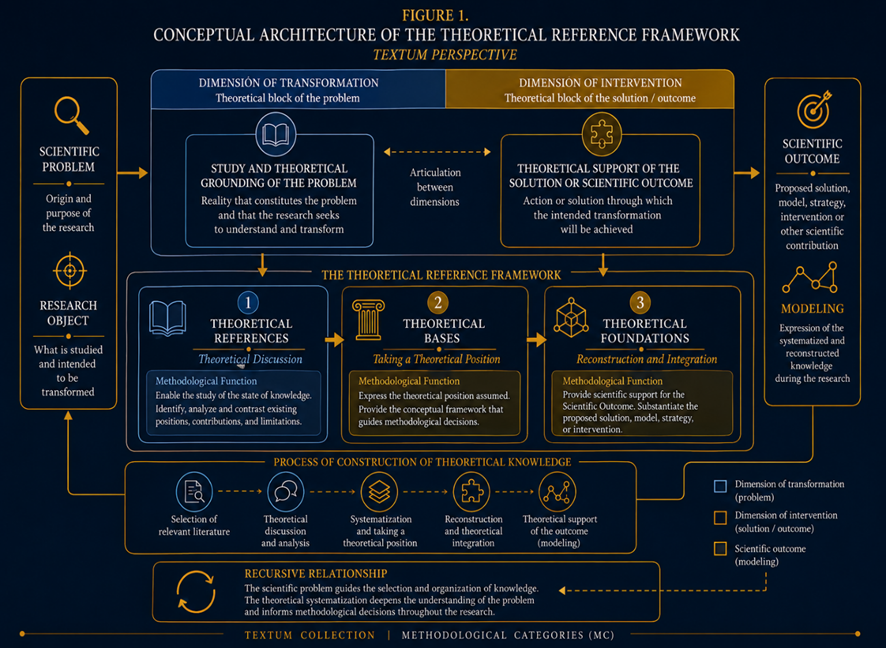
Figure 1 presents the Conceptual Architecture of the Theoretical Reference Framework proposed by TEXTUM. Note: Author's own elaboration.
Theoretical Discussion and Taking a Theoretical Position
Theoretical Discussion consists of the critical analysis of theories, approaches, models, and research findings related to the Scientific Problem and research object.
Taking a Theoretical Position constitutes an essential methodological decision: the researcher must explicitly identify and substantiate the conceptual position from which the Scientific Problem and research object will be understood and interpreted.
Components
Theoretical References
Theoretical References constitute the body of scientific knowledge that makes it possible to understand the state of knowledge related to the Scientific Problem and research object.
Methodological function: understanding and Theoretical Discussion.
Theoretical Bases
Theoretical Bases constitute the set of conceptions, categories, principles, and conceptual relationships that the researcher assumes in order to interpret the Scientific Problem and research object, orient methodological decisions, and support the development of the research.
Methodological function: conceptual interpretation and orientation.
Theoretical Discussion characterizes the Theoretical References, while Taking a Theoretical Position characterizes the Theoretical Bases.
Theoretical Foundations
Theoretical Foundations constitute the scientific support that substantiates and provides a theoretical foundation for the Scientific Outcome or proposed solution. They derive from the Theoretical Bases, but they do not reproduce them; they represent their Reconstruction and Integration according to the specific context and Scientific Outcome.
Methodological function: scientific support.
Relationships with PT-01
If the Scientific Problem establishes the methodological direction of the research, the Theoretical Reference Framework organizes the scientific knowledge required to understand that problem, construct the conceptual foundations of the research, and support methodological decisions.
The Scientific Problem guides the research process, while the Theoretical Reference Framework organizes the scientific knowledge required to develop it coherently.
TEXTUM Criterion
A Theoretical Reference Framework fulfills its methodological function when it organizes scientific knowledge coherently to understand the Scientific Problem, support methodological decisions, and provide a theoretical foundation for the Scientific Outcome as part of the same research system.
TEXTUM Proposal
TEXTUM proposes understanding the Theoretical Reference Framework as a conceptual architecture composed of Theoretical References, Theoretical Bases, and Theoretical Foundations:
Theoretical References → Theoretical Discussion → Theoretical Bases → Taking a Theoretical Position → Theoretical Foundations → Reconstruction and Integration → Scientific Outcome
TEXTUM Reflection
The true value of the Theoretical Reference Framework does not lie in the number of authors cited or in the length of the literature review. Its contribution lies in providing the researcher with a system of understanding that makes it possible to explain the Scientific Problem and coherently support the decisions that lead to the Scientific Outcome.
The theoretical framework is not simply where knowledge is collected. It is where scientific knowledge is organized so that research can understand, decide, and move forward.
How to Cite
Pérez Viñas, V. M. (2026). MC-01. The Theoretical Reference Framework. Thinking Methodologically About Scientific Research (Version 1.0). TEXTUM. Academic Mentoring.